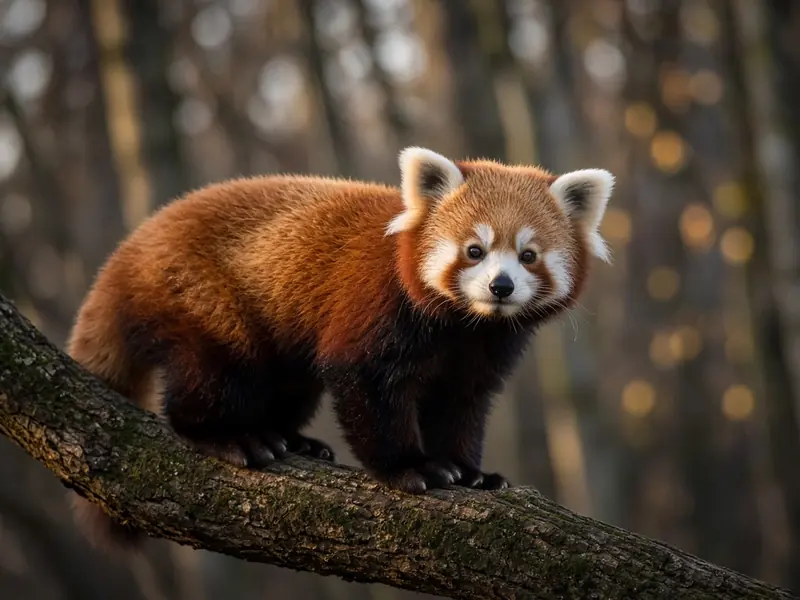
Where do red pandas live?
Wild red pandas live in bamboo mountain forests in Nepal, India, Bhutan, Myanmar and China. How high, and what the forest needs.
Each post answers one specific panda question in the first paragraph, then explains the evidence. We publish only when we have something more useful or better sourced than what is already out there.
Wild red pandas live in bamboo mountain forests in Nepal, India, Bhutan, Myanmar and China. How high, and what the forest needs.
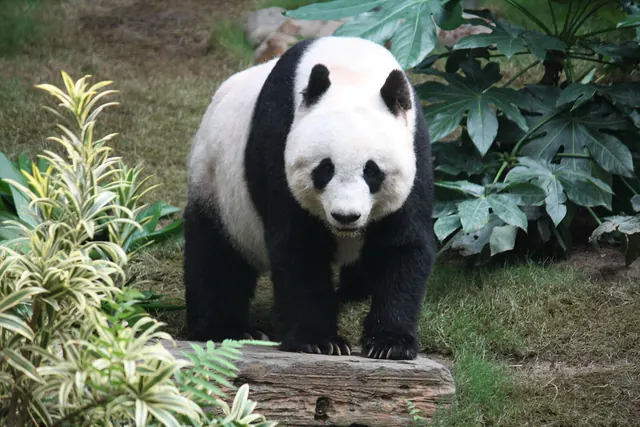
Learn how scientists estimate wild giant panda populations using surveys, droppings, genetic tests, tracks and cameras.
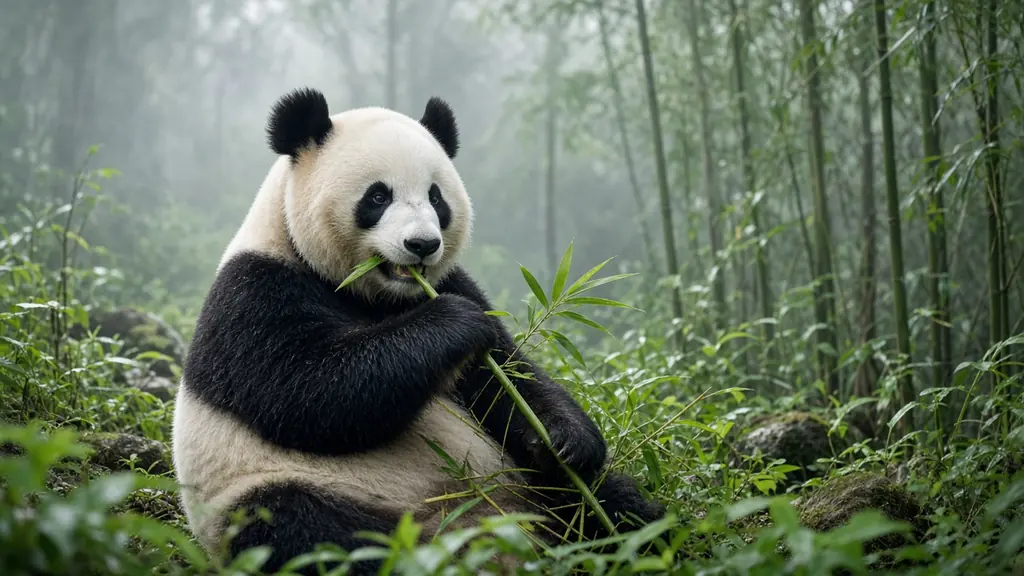
Wild giant pandas live only in six mountain ranges in Sichuan, Shaanxi and Gansu. The IUCN lists them as extinct in Hubei and Hunan.
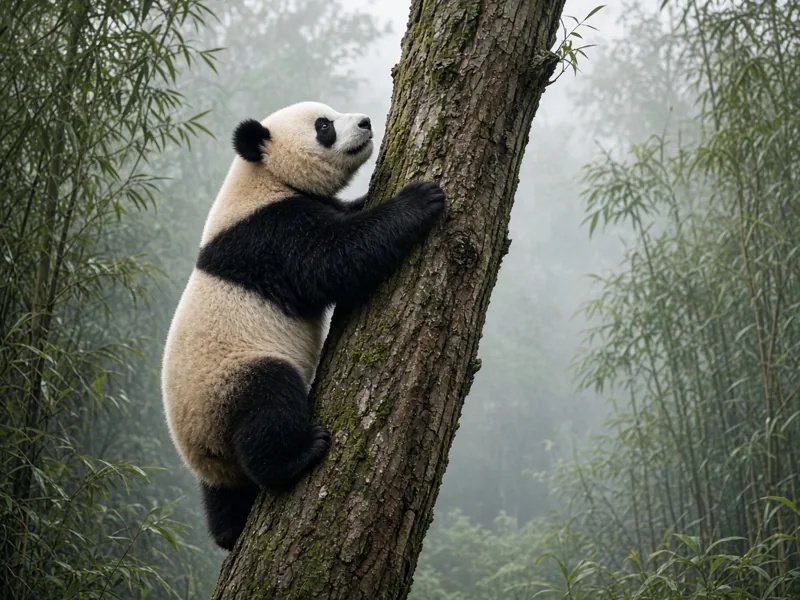
Yes. Giant pandas are bears (Ursidae). A 1985 Nature study and the IUCN Bear Specialist Group settled the old raccoon debate.
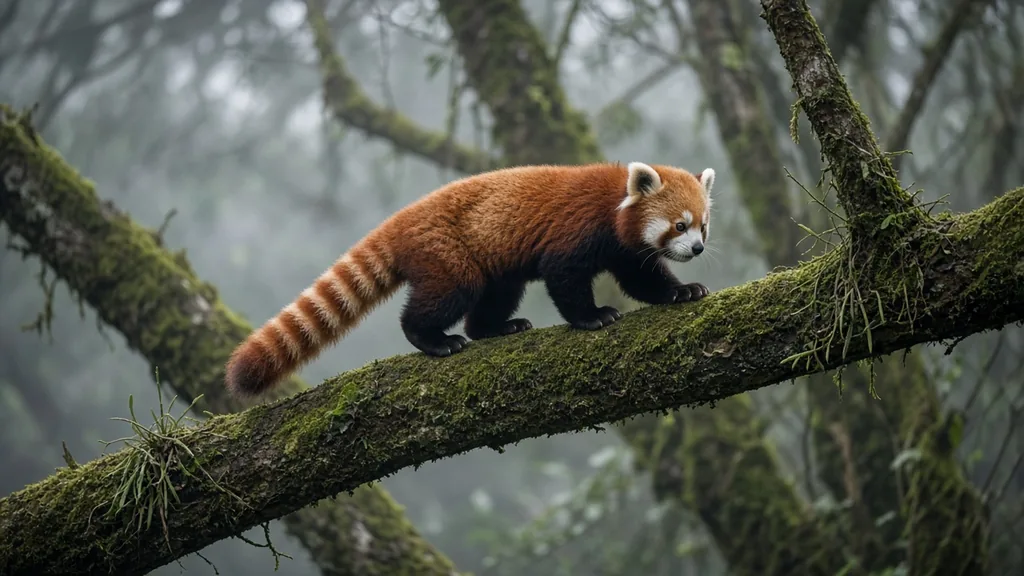
Red pandas use their long, bushy tails for balance in trees and as warm coverings in cold mountain forests.
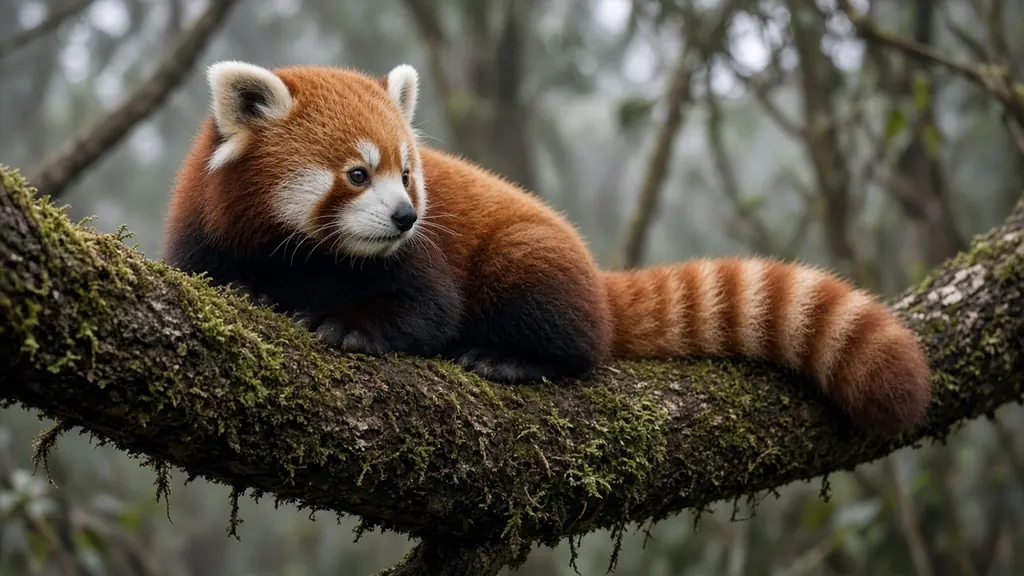
Red pandas climb down tree trunks headfirst, thanks to unusually flexible ankles, gripping hind claws, furry soles and a long balancing tail. How it works.
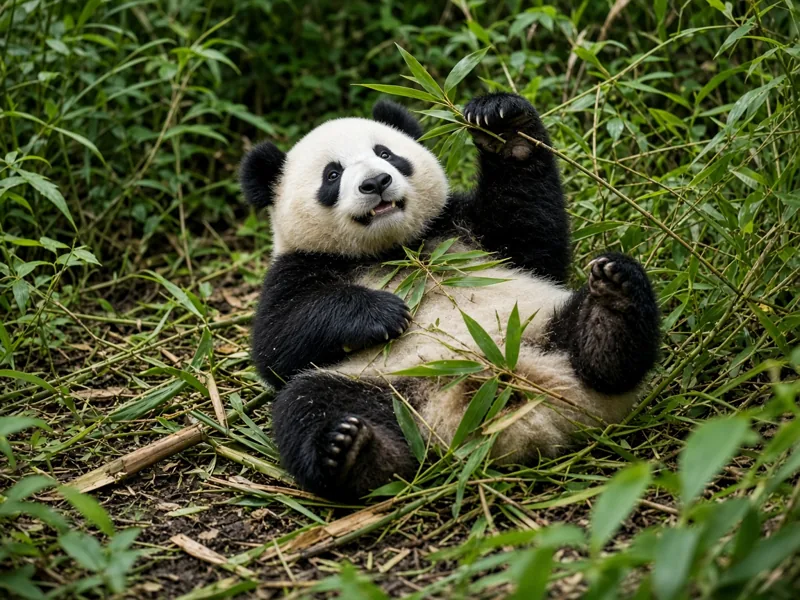
Giant pandas roll for play, to shift position while eating, and when they lose balance on slopes. What rolling means in the wild and in zoos.
Yes. Giant pandas climb trees for rest, escape, and play. How adults and cubs climb, why they do it, and how that compares with red pandas.
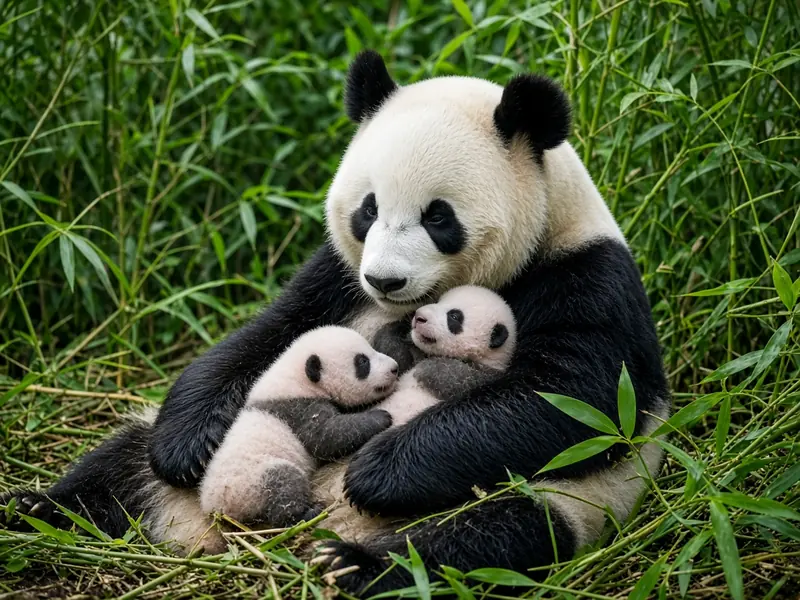
Giant panda mothers conceive twins almost half the time, but mothers can usually raise only one cub. Here is what changed, and what the research shows.
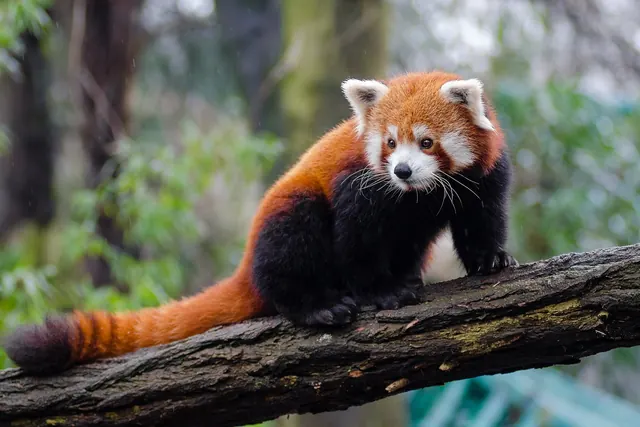
Yes. Red pandas are skilled climbers with flexible ankles that let them climb headfirst down trunks, and long tails for balance. Here is how they do it.
Panda numbers are rising, but satellite studies show giant panda habitat became smaller and more broken up between 1988 and 2013. Here is what the research says.
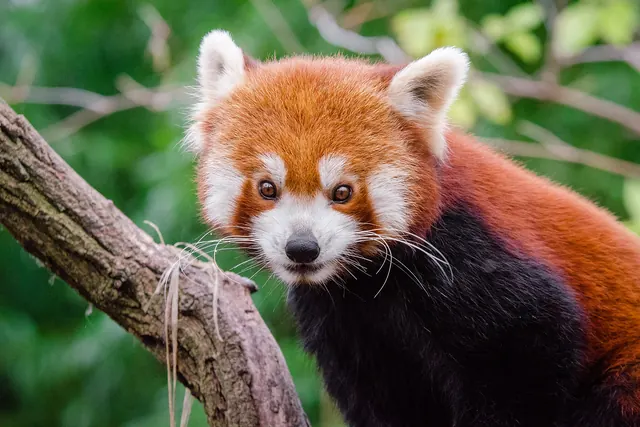
Yes. Wild red pandas live alone for most of the year and meet mainly to mate. What GPS tracking and field studies show about their social lives.
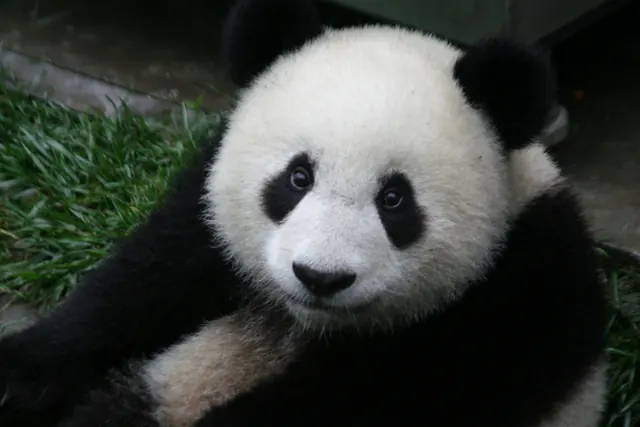
Giant pandas eat for 10 to 16 hours a day and sleep most of the rest, in naps of 2 to 4 hours. What GPS collar studies reveal about when pandas rest.
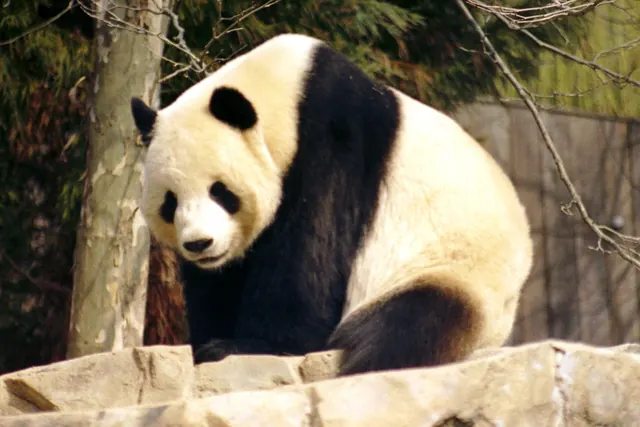
Giant pandas live about 15 to 20 years in the wild and around 30 in zoos; the record is 38. Red pandas can reach 23. What limits a panda's lifespan.
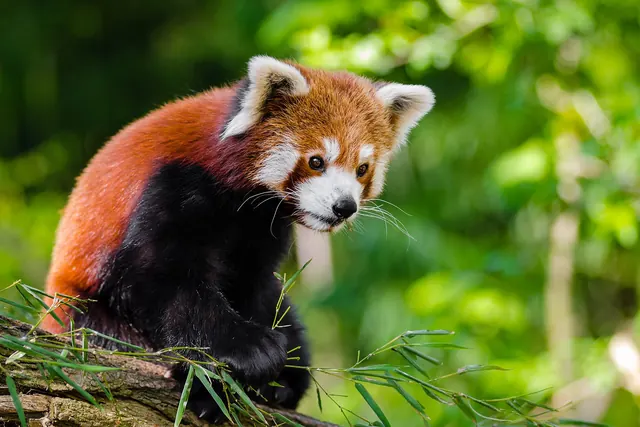
Red pandas eat mostly bamboo leaf tips and shoots, plus some fruit, roots, insects and the odd egg. What field and genetic studies show about their diet.
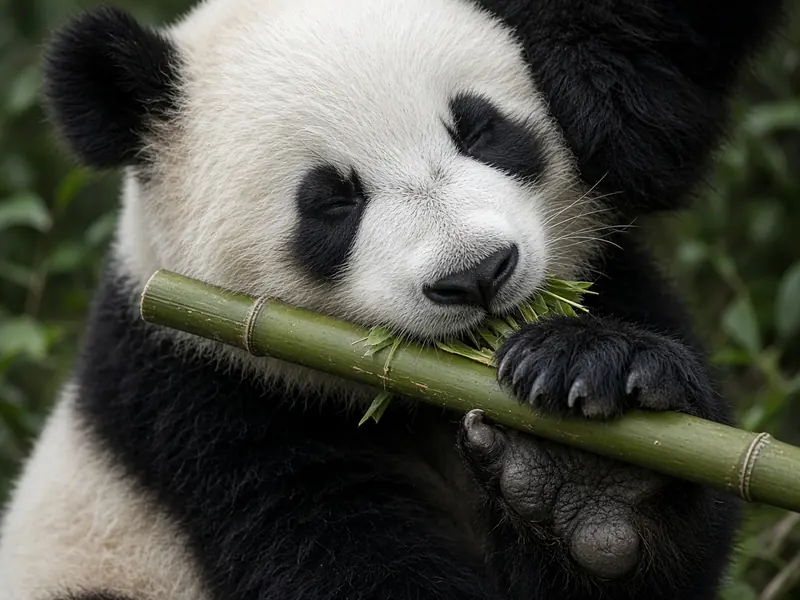
Giant pandas have one of the strongest bites of any bear for their size. How their skull, jaw muscles and molars crush bamboo, with the research behind it.
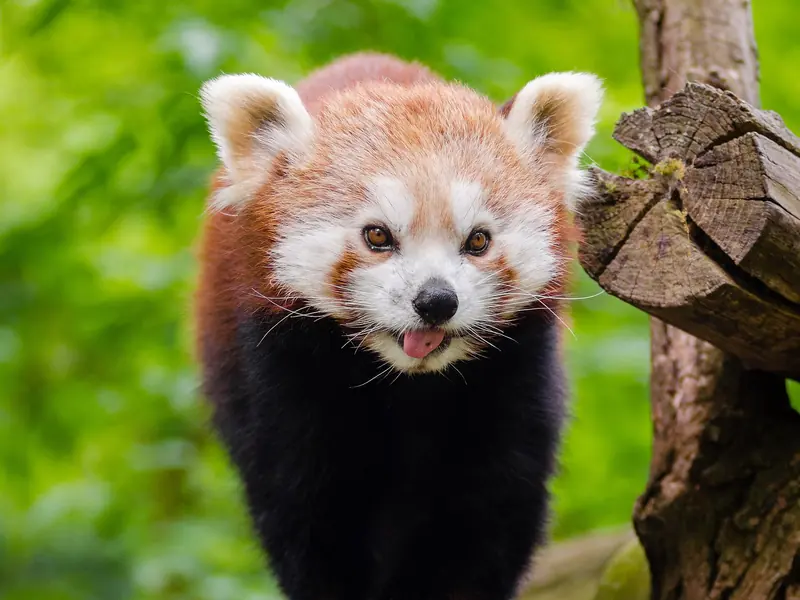
Red pandas are Endangered because their mountain forests are cut, grazed and split by roads, and because they are trapped and poached. What studies show.
Giant pandas live mostly alone, so they talk through scent marks and calls. How handstand marking, scent and bleats carry messages, with the research.
Red pandas are not strictly nocturnal. They are mostly crepuscular, busiest at dawn and dusk, and awake about 45% of the day. What studies show.
Giant pandas belong to the order Carnivora yet live on bamboo. What genome, taste gene, gut microbe and energy studies reveal about this unusual diet.
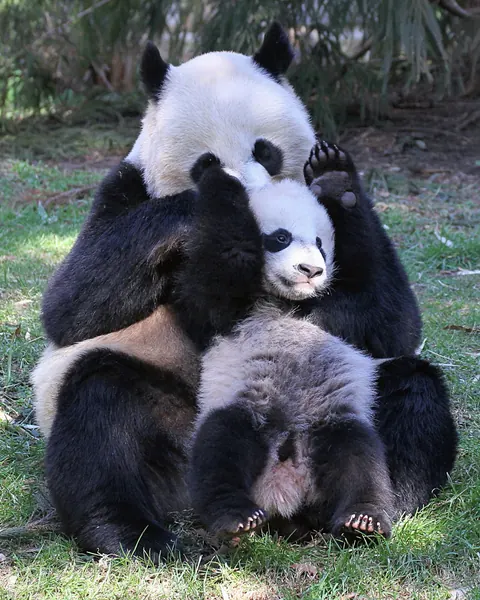
Giant panda pregnancy lasts about 90 to 180 days, but after delayed implantation the fetus grows for only about 42 days. What hormone studies show.
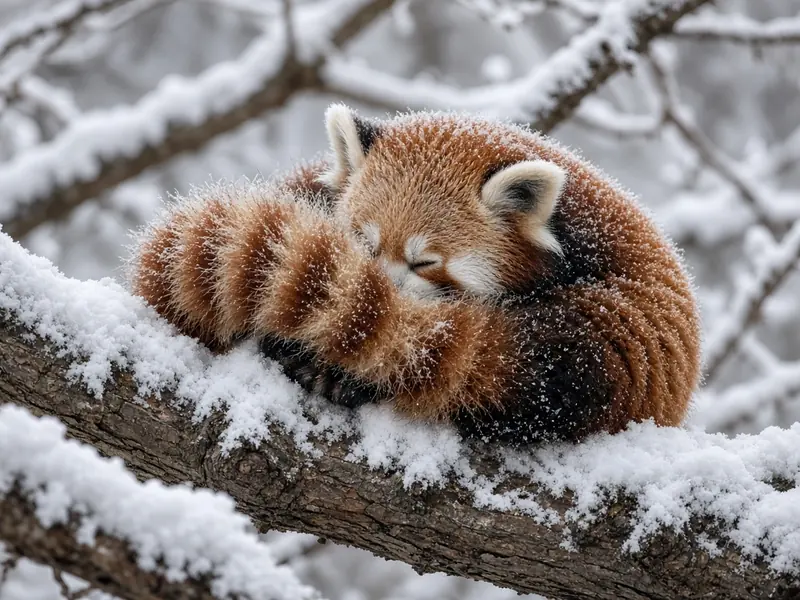
Red pandas stay warm with dense fur, furry soles and a bushy tail, by curling into a ball and by burning more energy in winter. What studies show.
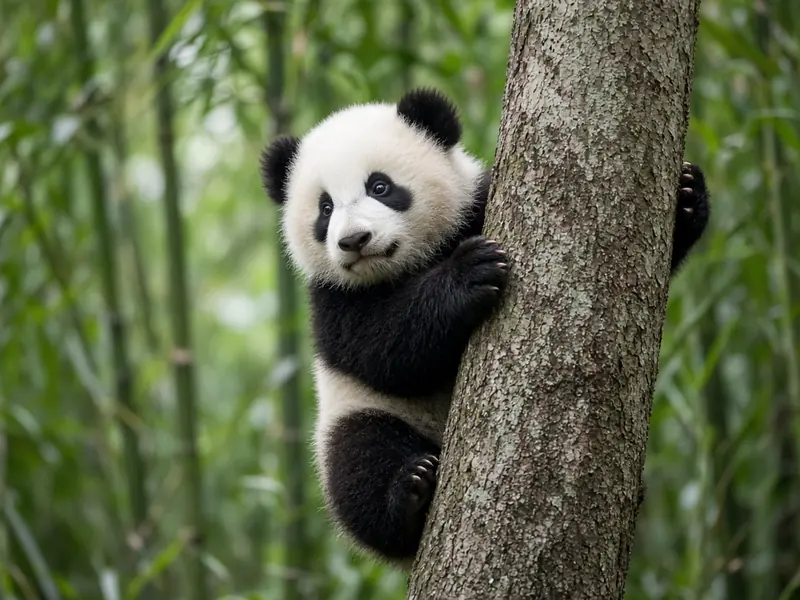
A newborn giant panda weighs about 3 to 5 ounces, roughly 1/900th of its mother. Skeletal scans suggest a short gestation after implantation explains why.
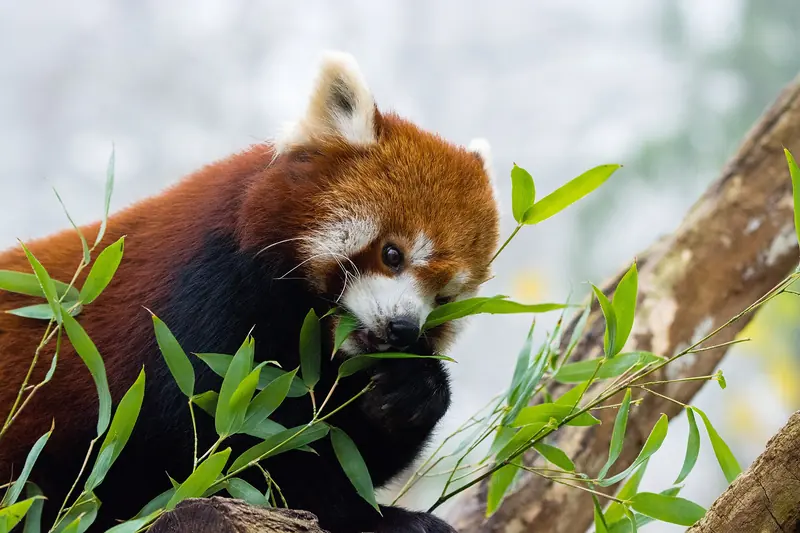
GPS collars put the median red panda home range at about 1.4 square km. Males use more space than females, and roads and forest loss change how they roam.
Giant pandas have a false thumb: an enlarged wrist bone that grips bamboo. How it works, how old it is, and why red pandas have one too.
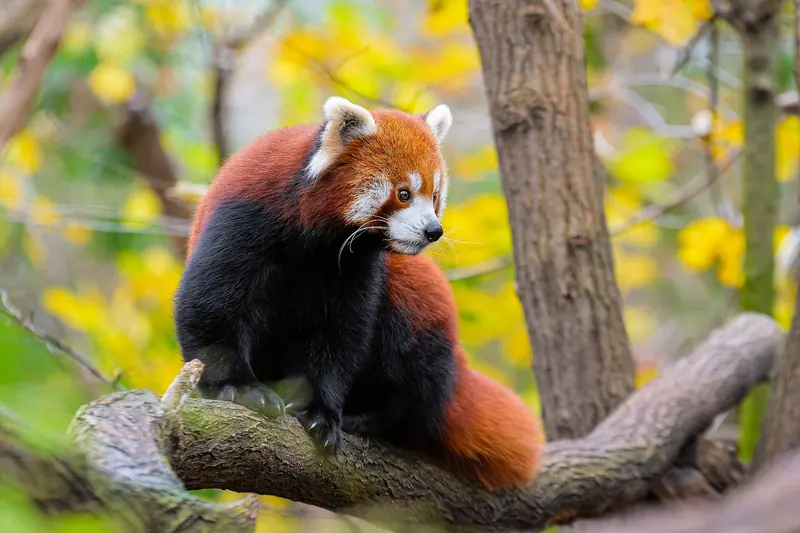
Red pandas are red because the russet coat blends with reddish brown moss and white lichen in their forest canopy. How the coat, mask, belly and tail work.
Why giant pandas are black and white: the leading study points to snow and shade camouflage for the body and signalling for the ears and eye patches.
A giant panda eats roughly 12 to 45 kg of bamboo a day. Why sources disagree, how shoots vs leaves change the number, and how red pandas compare.
Giant pandas do not hibernate: a bamboo diet cannot build the fat reserves it needs. How they cope with winter, and how red pandas save energy.
Red and giant pandas are only distant relatives: one is a bear, the other the last of its own family. What DNA shows, and why both have a false thumb.
No. IUCN lists giant pandas as Vulnerable (2016), not Endangered. Nearly 1,900 live wild; China reported 830 in captivity on 3 Nov 2026.